Define how the paved area will be used
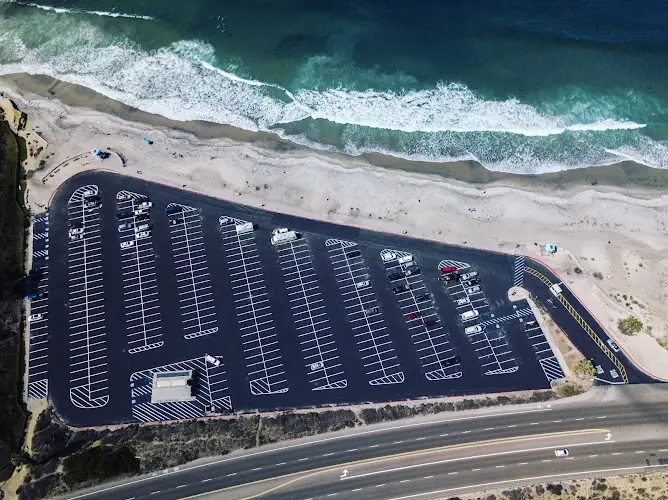
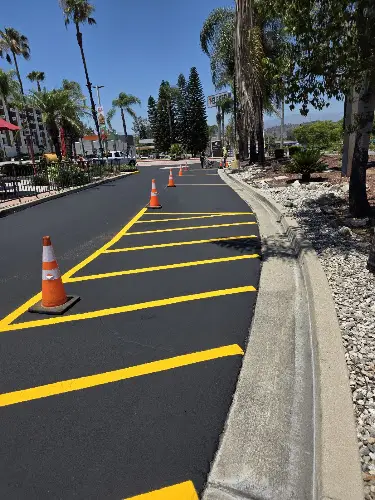
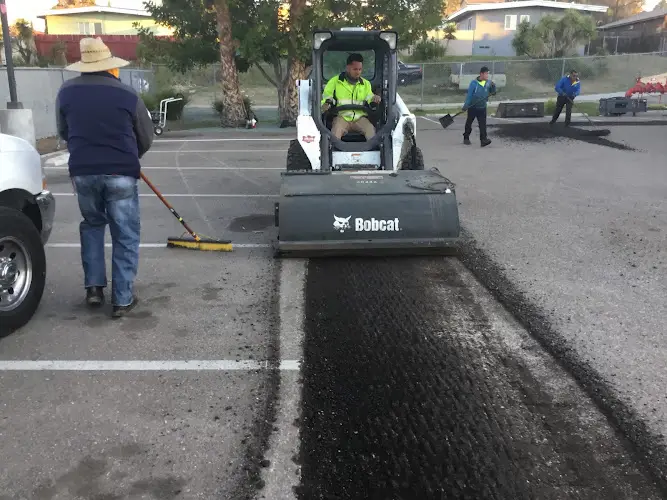
For paving in Chula Vista, begin with the area, its intended use and the property boundaries, not just the finish material. Municipal Code Section 19.62.100b addresses private areas required to be surfaced under City regulations or a Planning Commission approval. It distinguishes temporary and permanent uses and includes areas used for vehicle movement, parking or storage, subject to its stated exceptions. Ask which provisions apply to your actual proposed use before comparing construction details.
Make runoff part of the material discussion
For permanent private vehicular areas greater than 5,000 square feet, the section describes pervious pavement and compliance with the regional municipal stormwater permit and the City's development stormwater manual. If impervious pavement is proposed, it says runoff must be directed to low-impact-development or treatment-control facilities, with examples including vegetated swales and bioretention. Ask how the proposed surfacing and drainage design work together rather than comparing asphalt and other materials as isolated purchases.
Resolve the threshold instead of guessing
The code separately labels permanent-use provisions for areas less than 5,000 square feet and greater than 5,000 square feet. The wording reviewed here does not expressly resolve an area of exactly 5,000 square feet. If your project is near that boundary, verify how the City applies the section and how the relevant area is measured. Do not resize a description or assume an exemption simply to fit one heading in a general guide.
Ask who will maintain the drainage features
The same surfacing section requires pervious pavements, low-impact-development features and treatment-control best management practices to be maintained for the life of the project so they function as designed. Include that responsibility in your questions before selecting a proposal. Ask the designer and contractor what features are actually being provided and what handover information you will receive. A paving agreement should not leave you unaware that runoff-related elements carry continuing maintenance responsibilities.
Treat construction runoff separately from finished-site drainage
California’s 2022 Construction General Permit generally covers construction disturbing at least one acre of land, including smaller work within a common plan totaling at least one acre. Routine maintenance is excluded, but the permit’s road-work exclusion does not cover portions exposing underlying soil or erodible subgrade. For ordinary covered traditional projects, State registration guidance lists a Notice of Intent and SWPPP. Ask the regulator to confirm coverage, exclusions and any waiver or non-applicability provision. For smaller work, ask the City whether local runoff controls apply.
Check grading and the driveway connection
The City's permit information says projects requiring grading need a grading permit. It also identifies possible Land Development review or permits for curb cuts, driveways, street and alley paving, and work in City rights-of-way. Describe these elements when asking staff about your project. Do not infer that every repair requires all these approvals, or that work described as paving can ignore a grading or public-interface question that is actually part of the scope.
Research the property before committing
Chula Vista encourages property research and checking permit requirements with staff before construction. For a new business use that differs from the previous one, its guidance calls for verification with Planning staff. If paving is part of adapting a business property, discuss the intended use alongside the construction proposal. Keep any required land-use clarification distinct from the contractor's price; a quotation does not establish that a proposed use or site arrangement has been approved.
Compare a complete site proposal
Use the City's surfacing and construction guidance to request a proposal that identifies the vehicle area, proposed surface, drainage approach, applicable construction controls and maintenance handover. Ask what still needs City or design review and who is responsible for supplying that information. Keep the questions specific to your property rather than importing a generic pavement thickness or a promised service life. The relevant local decision is how the proposed vehicle area functions within the applicable site and runoff requirements.
Contractors listed on the Chula Vista hub, from Main Street listings data. Claimed profiles are shown first. Full cards are in the list above.