Asphalt Paving Fresno
Fresno, CA
ClaimedLists parking lot striping 5.0 stars, 25 reviews Free estimates
Compare local pros for lot striping, ADA marking and layout.
Or
Top rated Claimed pros on Main Street. Enter your ZIP to see pros near you.
Fresno, CA
Irvine, CA
Sacramento, CA
Berkeley, CA
Gilbert, AZ
Greensburg, PA
Tell us what you need and where the job is.
Reach local asphalt companies and compare your options.
Review profiles, then hire the pro that fits your job.
Updated
Takes about a minute. No obligation.
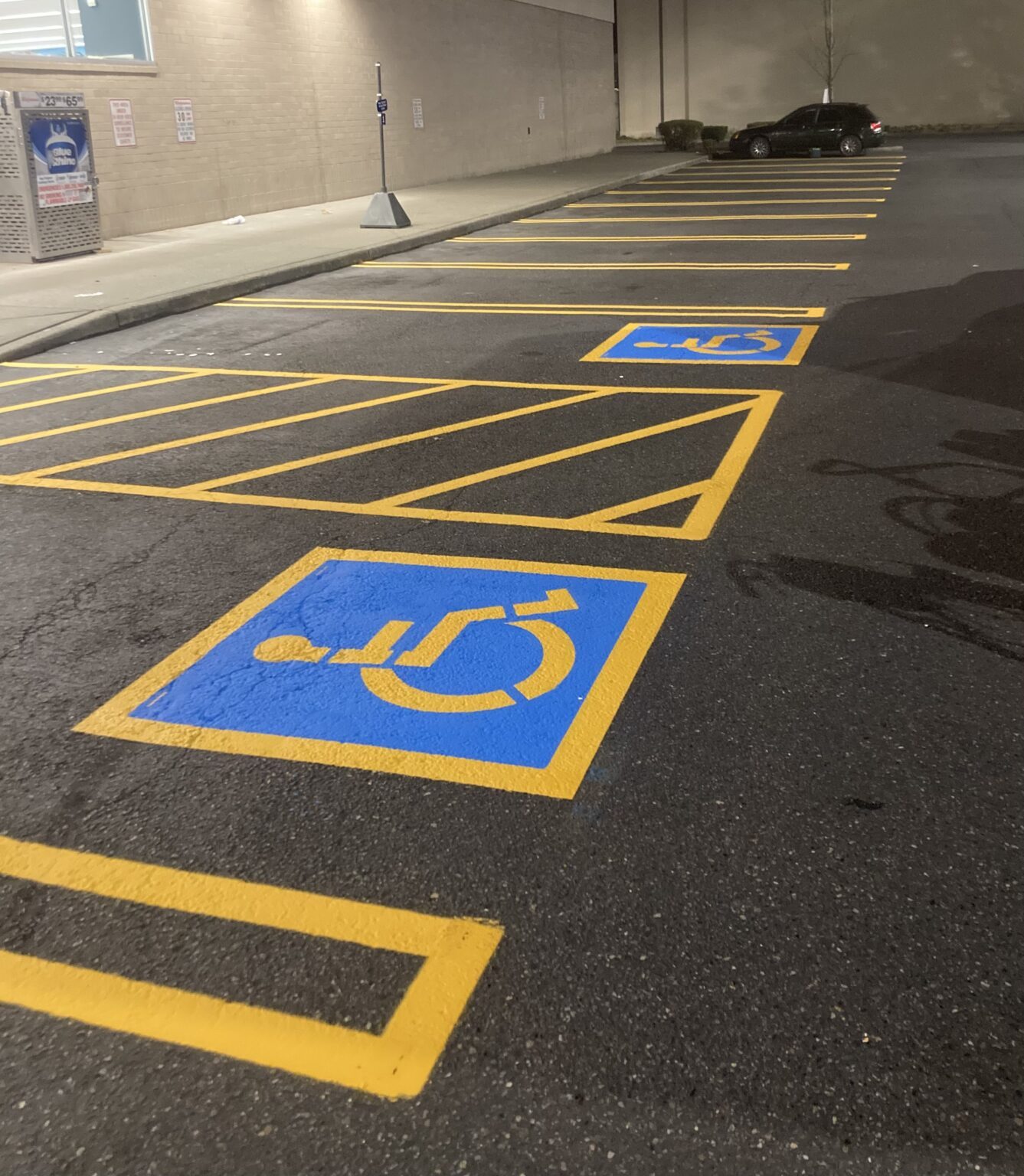
Standard scopes include stall lines, double lines, arrows, stop bars, crosswalks, cross-hatched no-park zones, fire lanes, loading areas, and accessible parking symbols with access aisles. Some projects add stencil numbers, visitor/reserved labels, or simple logos.
Layout should reflect how people actually drive the site, not only the old faded pattern. Changing from angled to 90-degree stalls, adding EV spaces, or correcting undersized ADA stalls are common reasons to redesign rather than blindly repaint.
Paint needs a clean, cured surface. Striping immediately before sealcoating is wasted. After sealcoat or overlay, wait for the reopening window your contractor specifies, then restripe. Bundling paving/seal and striping in one coordinated schedule reduces double mobilization and tenant confusion.
Crews clean loose grit, layout with chalk or measuring systems, apply marking paint with liners or templates, and protect wet lines. Wheel stops and signs may be reset the same visit. Owners should walk the first few stalls to confirm width and flow before the whole lot is painted.
Accessible stall counts, locations, and van-accessible aisle widths are regulated. Restriping an outdated layout “as is” can perpetuate noncompliance. If you are unsure, ask the striping contractor or a consultant to review counts against current requirements for your property type and jurisdiction.
How often to restripe? When contrast fades or after seal/overlay, high-turnover retail fades faster.
Water-based vs other paints? Product choice depends on surface and climate; ask what is specified.
Can you stripe concrete? Yes, with appropriate prep and products.
Do I need new wheel stops? Only if broken, misplaced, or layout changes, inspect during the walkthrough.
Night work? Common for busy centers to avoid customer traffic, ask about premiums.
Consistent stall width, square corners, and aligned aisles separate a tidy lot from a confusing one. Measure a sample bay before mass painting. For fire lanes and hatched zones, confirm wording and color expectations with property management or local fire requirements where applicable.
If sealcoating and striping are separate vendors, put cure time and reopen rules in both contracts so neither blames the other for early traffic marks. Provide a single point of contact on site day. Afterward, take dated photos of ADA stalls and keep them with compliance records.
Faded stop bars and arrows are a safety issue, not just aesthetics, prioritize them if budget only covers a partial restripe. Numbers and reserved stencils can wait; crosswalks and accessible markings should not.
Retail and multifamily sites need durable high-contrast lines and clear fire-lane language. Residential HOA lots may use simpler stall grids but still need accessible spaces. Industrial yards emphasize lane arrows, staging boxes, and keep-clear zones near docks. Tell stripers your property type so paint schedule and stencil set match real use, not a one-size template.