Asphalt Paving Georgetown
Georgetown, TX
ClaimedLists sealcoating 4.9 stars, 35 reviews Free estimates
Compare local pros who protect and renew worn asphalt.
Or
Top rated Claimed pros on Main Street. Enter your ZIP to see pros near you.
Georgetown, TX
Bakersfield, CA
San Diego, CA
Tell us what you need and where the job is.
Reach local asphalt companies and compare your options.
Review profiles, then hire the pro that fits your job.
Updated
Takes about a minute. No obligation.
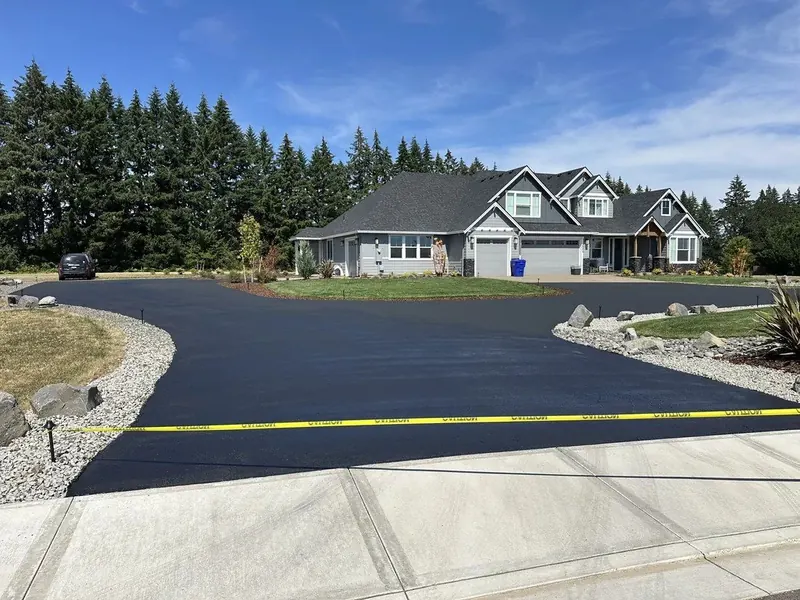
Sealcoat is a thin coating, often coal-tar or asphalt-emulsion based formulations depending on local product availability and job specs, spread over cleaned asphalt. It is maintenance, not reconstruction. Think of it as sunscreen and a moisture barrier for pavement that is still holding shape.
What sealcoating does well: refresh oxidized gray asphalt, improve resistance to oil and water at the surface, and prepare a lot for crisp new striping. What it does not do: bridge alligator cracking, fix soft base, level major depressions, or replace failed sections. Applying sealcoat over failing asphalt can trap problems and waste money.
Homeowners usually seal driveways on a multi-year cycle. Commercial managers often align sealcoating with capital plans so an entire property, stalls, drive lanes, and curb reveals, stays on one maintenance calendar.
Seal when the surface is mostly smooth and firm, color has faded, and fine cracks are manageable with crack sealant. Wait or choose repair first when you see interconnected crocodile cracking, pumping fines, potholes that reopen, or areas that flex under a vehicle.
Climate changes the calendar. Hot-sun markets oxidize faster; wet markets need dry application windows and enough cure time before rain. In freeze-thaw regions, sealing in proper weather helps limit water that later expands in cracks, but only after structural repairs where needed.
New asphalt generally should cure for the period your paving contractor specifies before the first sealcoat. Sealing too early can cause adhesion issues; waiting too long leaves UV free to dry out the binder.
A thorough job usually includes: (1) inspection and scope confirmation; (2) sweeping or blowing off dirt, landscape debris, and loose rock; (3) oil-spot primer on drip areas; (4) crack sealing on eligible cracks; (5) patching isolated failures; (6) one or two coats of sealcoat by squeegee or spray; (7) barricades until cured; (8) restriping on commercial lots.
Ask for product type, number of coats, whether crack seal is included, reopen timing, and how they handle steep driveways or gated communities. Written scopes prevent “cheap gallon” bids that skip prep, the step that determines whether the coat lasts.
Price moves with square footage, prep intensity, number of coats, access, and whether striping is bundled. The lowest bid is a poor filter if prep is vague. Compare at least a couple of local contractors, share the same photos and measurements, and confirm insurance and recent similar work in your area.
On Main Street you can browse sealcoating-focused listings by city, review services already on each profile, and request quotes without inventing contractor details, only published listing data appears.
How often should I sealcoat? Often every few years, but sun, traffic, and prior prep matter more than a fixed rule.
Can I DIY? Small driveways sometimes; commercial lots and steep or oil-stained surfaces usually need pro equipment and traffic control.
Do I seal over patches? After patches cure and if the overall surface is a candidate, ask your contractor for timing.
Will sealcoat make cracks disappear? It can blend hairline surface cracks cosmetically; wider structural cracks need sealing or repair first.
What about tire pickup? Reopening too early or poor curing weather causes tracking, follow the crew’s closure window.
In hot inland markets, early morning or shoulder-season applications reduce tracking risk. Coastal jobs fight moisture and need longer dry forecasts. Freeze-thaw regions should avoid sealing when nights still drop near freezing. Always confirm the product data sheet for temperature limits.
If your lot also needs striping, budget it immediately after cure. If structural repairs are pending, finish patches first so you are not sealing over tomorrow’s cut-outs. Homeowners with oil-stained driveways should expect primer, and should mention stains when requesting quotes so bids stay comparable.